
Where to Get a Mole Check Near You
How to find a reliable mole check locally, what the visit involves, and when a changing mole warrants prompt evaluation.
When a Mole Check Becomes a Priority
A mole check is a focused evaluation of one or more specific moles that have changed or that you find concerning. While a full-body skin examination reviews the entire skin surface, a mole check is often prompted by a single spot that has grown, changed color, started to itch, or begun to bleed. Because melanoma can develop quickly, a changing mole warrants prompt professional evaluation rather than watchful waiting. This directory lists dermatology practices by city and region so you can identify a convenient location for a mole check without delay.
Where to Go for a Mole Check
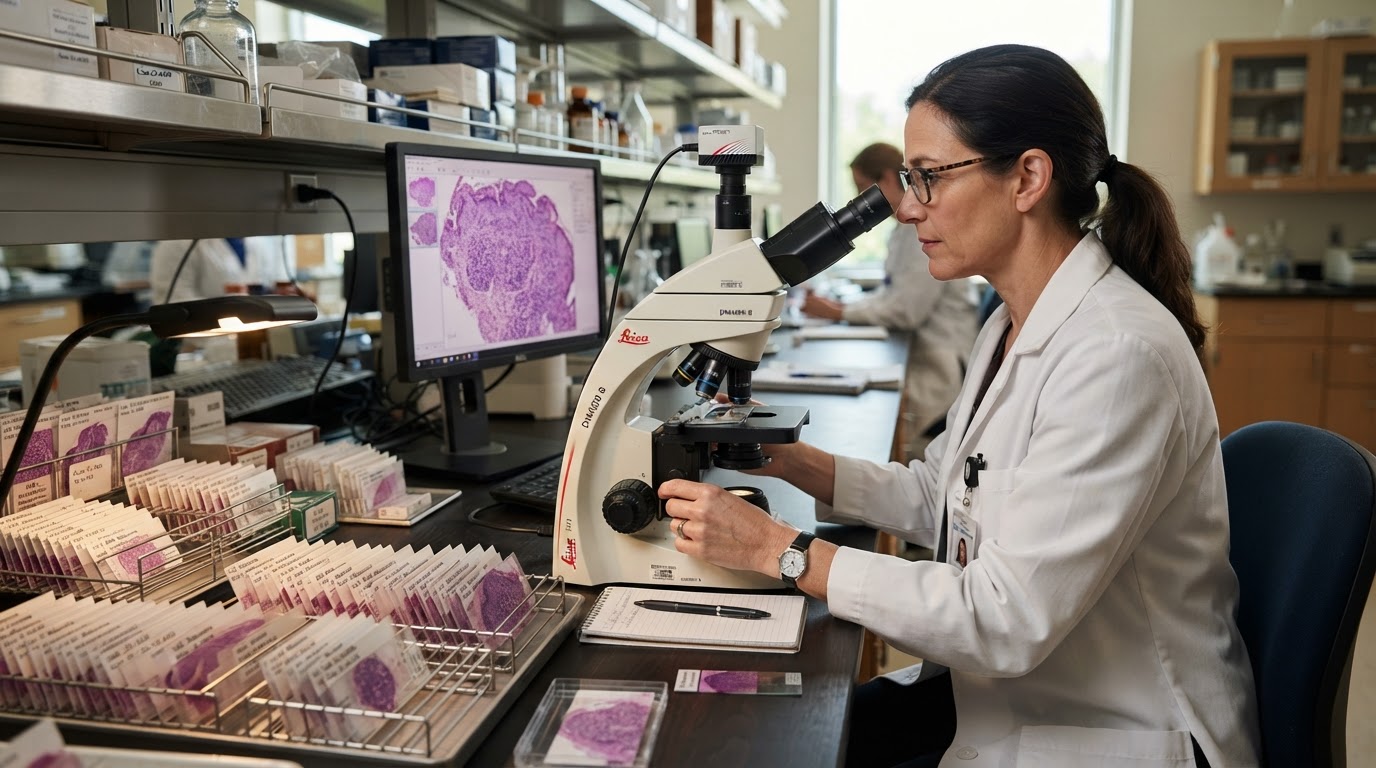
A board-certified dermatologist is the most appropriate clinician for a mole check, since they have specialized training in distinguishing benign from malignant pigmented lesions. Dermatology offices listed on this site can perform both the visual evaluation and, if needed, a same-day biopsy. Primary care providers can perform a preliminary assessment and refer you to a dermatologist, but a dermatology office offers dermoscopy and on-site pathology that streamline diagnosis. Avoid urgent care clinics for mole evaluation unless no dermatology appointment is available within a reasonable timeframe, since they typically lack dermoscopy and biopsy capability.
What the Visit Involves
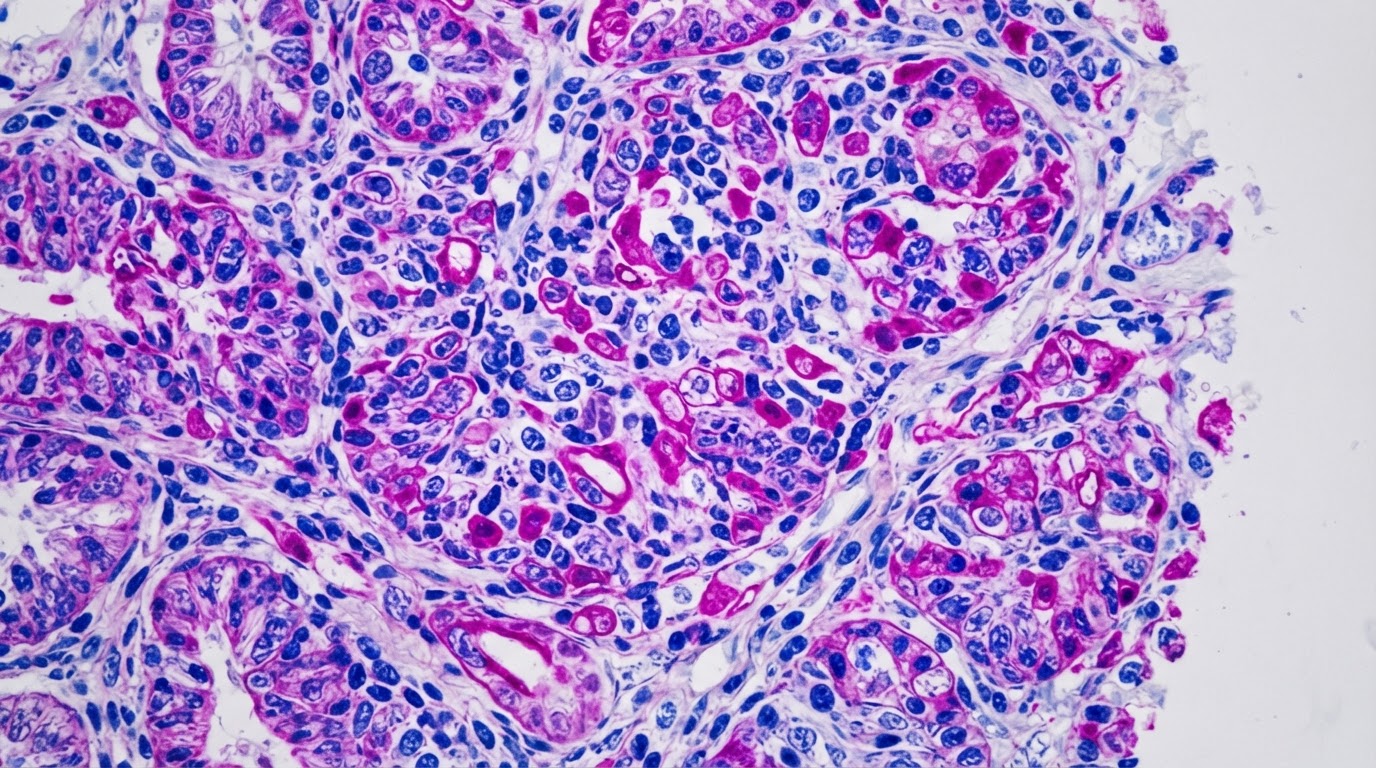
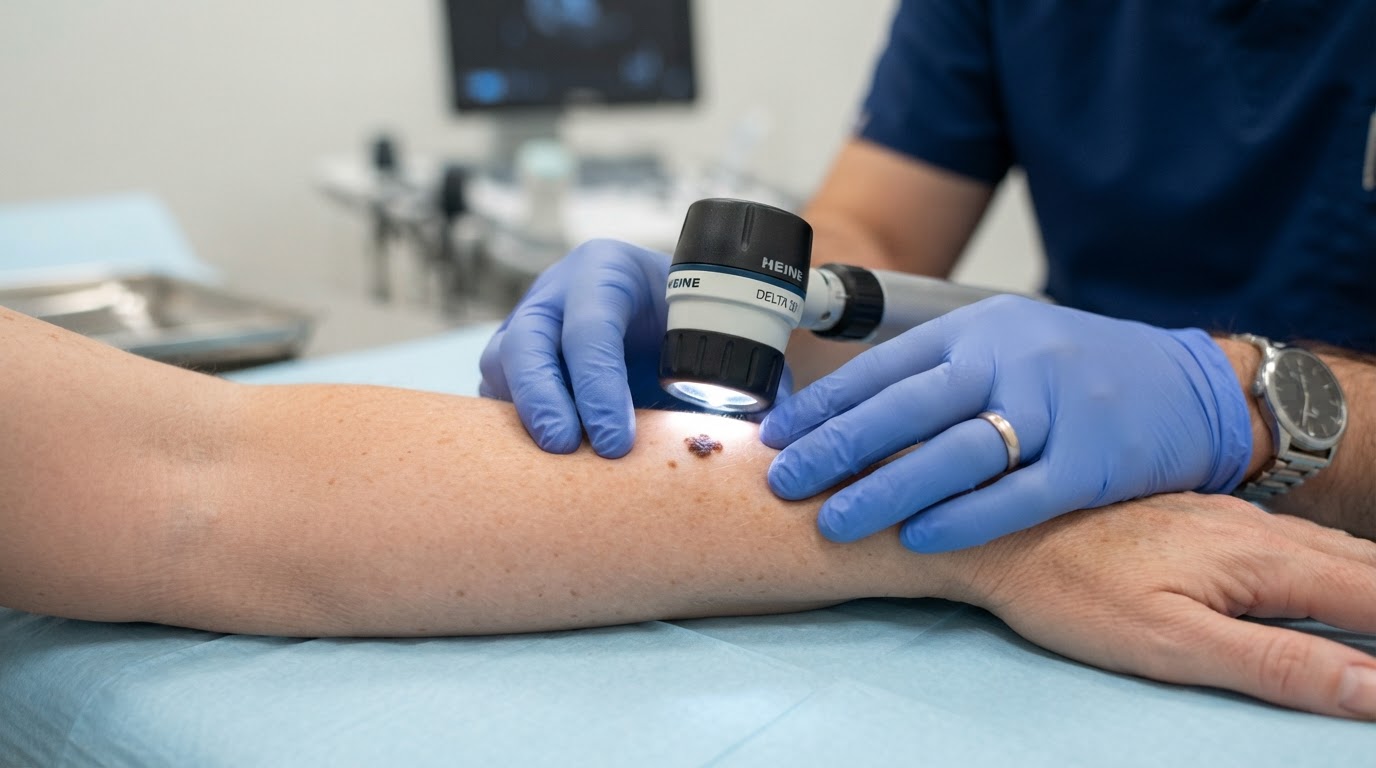
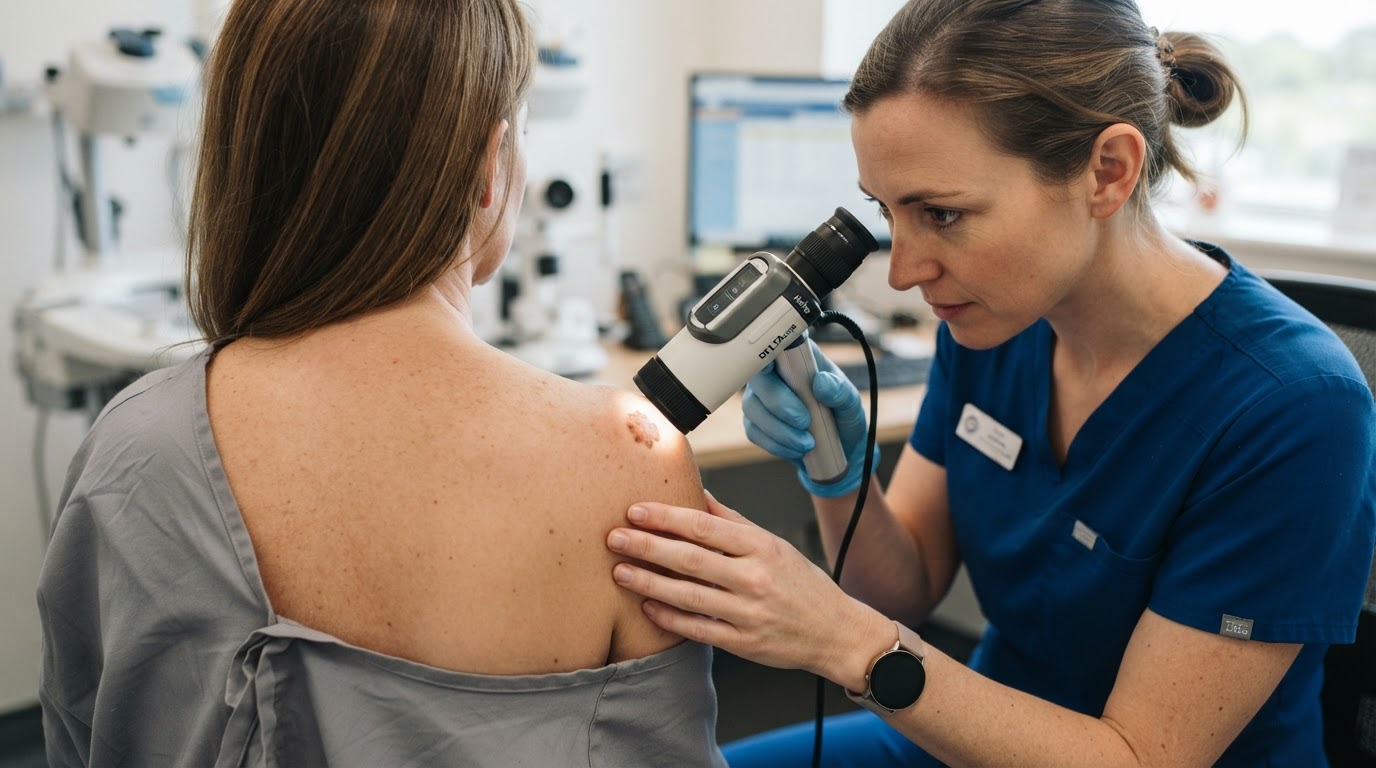
At the appointment, the dermatologist will examine the mole in question with the naked eye and then with a dermatoscope, a magnifying tool that reveals pigment patterns and vessel structures beneath the skin surface. They may also examine your other moles to compare the concerning one against your baseline pattern, applying the ugly duckling principle. If the mole appears benign, no further action is needed beyond routine surveillance. If the mole shows concerning features, the dermatologist will recommend a biopsy, usually a shave or punch biopsy performed under local anesthetic, with pathology results available within several days.
Recognizing When to Act Quickly
Certain changes should prompt an urgent mole check rather than a routine appointment. These include a mole that is asymmetrical, has irregular or notched borders, contains multiple colors, is larger than six millimeters, or is evolving in any way. A mole that bleeds spontaneously, itches persistently, or appears as a sore that will not heal also warrants prompt evaluation. While most moles are benign, the cost of a professional check is small compared with the risk of delaying diagnosis, and a dermatologist can often reassure you quickly that no further action is needed.
Following Up After the Check
If a biopsy is performed, you will receive results and a treatment plan within a few days. Benign results typically mean a return to routine surveillance, while a diagnosis of atypical or malignant cells will trigger a discussion of next steps, which may include a wider excision or referral to a specialist. Keep a record of your biopsy results and the locations of any moles that were removed or photographed, since this information guides future examinations. A timely mole check combined with clear follow-up gives you the best chance of catching a problem while it is still easily treated.
This article is educational and is not a substitute for professional medical advice, diagnosis, or treatment. Always seek the guidance of a qualified dermatologist or other licensed health provider with questions about a medical condition.
Looking for a specialist in this area? Browse Skin Biopsies & Dermatopathology