
How to Find a Skin Cancer Specialist Near You
Location-based strategies for locating a skin cancer specialist, including referral pathways, insurance considerations, and travel trade-offs.
Why a Local Specialist Matters
Skin cancer care is rarely a single visit. After a biopsy confirms a diagnosis, you may need surgical excision, reconstruction, pathology follow-up, and ongoing surveillance over months or years. Finding a skin cancer specialist near you reduces the burden of travel and makes it far more likely that you will complete every recommended step of care. This directory organizes qualified dermatology practices by city and region so you can identify specialists close to home and compare their services and contact details in one place.
Start with a Referral
Your primary care provider is often the best starting point for a specialist referral, both because they know your overall health and because many insurance plans require one. Ask specifically for a referral to a dermatologist who focuses on skin cancer rather than cosmetic dermatology. If your primary care provider is unsure which local specialists emphasize oncology, the listings on this site can help you suggest a name. Bring the referral and any relevant imaging or prior biopsy reports to your first specialist appointment so the visit is productive from the start.
Insurance and Network Verification
Before you schedule, call your insurance company to confirm that the specialist is in-network and to understand your cost share for a dermatology visit and any procedures. Ask whether a referral is required and whether preauthorization is needed for a biopsy or surgery. If you are uninsured, ask the practice about self-pay rates and whether they offer payment plans. Skin cancer treatment can involve multiple visits, so understanding the financial picture early helps you avoid surprises that might otherwise interrupt your care.
Travel Trade-Offs and Second Opinions
For straightforward basal or squamous cell carcinoma, a nearby specialist is usually sufficient. For melanoma of significant depth, recurrent tumors, or lesions in cosmetically or functionally sensitive areas, it may be worth traveling to a specialist at an academic medical center or a practice with fellowship-trained Mohs surgeons. A second opinion is reasonable and should never be treated as an inconvenience by a reputable practice. Balance travel time against the complexity of your case, and remember that a slightly longer drive for the right expertise can be worthwhile for high-risk lesions.
Confirming Availability and Scheduling
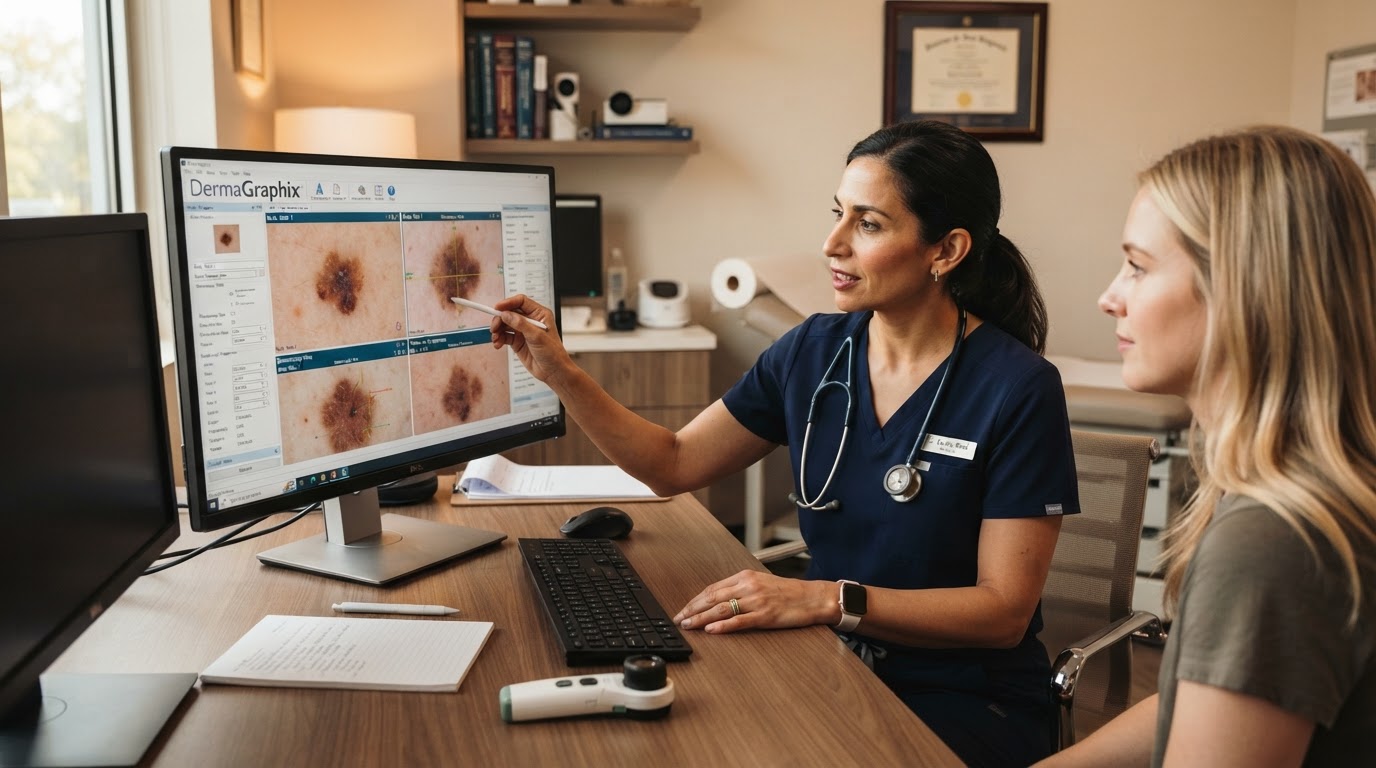
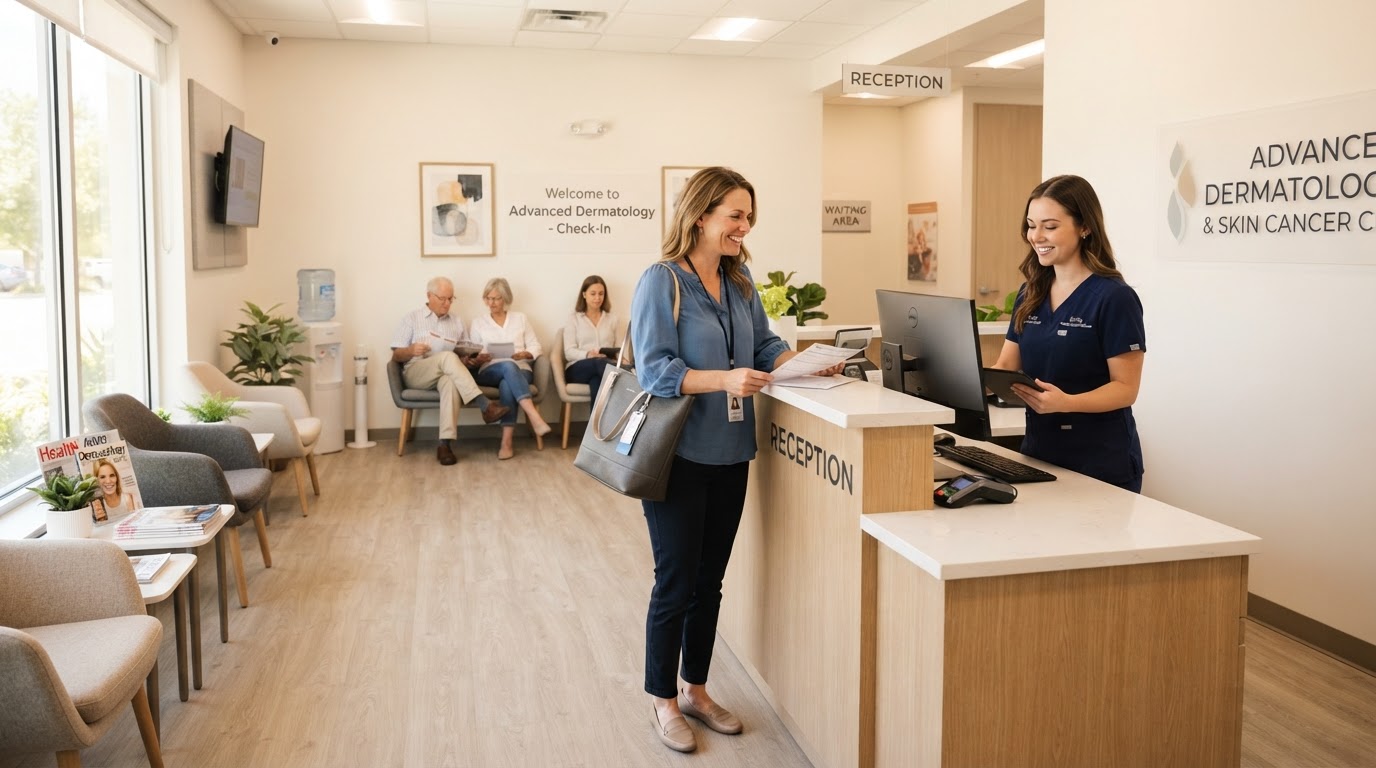
Once you have identified a specialist, call the practice to ask how soon a new-patient appointment is available and whether urgent lesions are prioritized. Confirm that the physician you want to see will personally perform the examination and any biopsy, rather than delegating to a mid-level provider without dermatology oversight. A specialist with reasonable availability, clear communication, and a willingness to coordinate with your broader care team is the foundation of effective skin cancer management close to home.
What to Bring to Your First Appointment
A well-prepared first appointment sets the stage for accurate diagnosis and a clear treatment plan. Gather any relevant records in advance, including prior biopsy reports, pathology results, photographs of the lesion over time, and imaging if any has been done. Write a brief timeline of when you first noticed the concerning spot, how it has changed in size, shape, or color, and whether it has caused symptoms such as itching, bleeding, or tenderness. Bring a complete list of your medications, paying special attention to immunosuppressants, blood thinners, and any treatments that affect wound healing, since these can influence both your skin cancer risk and the surgical approach. If you have a primary care provider or a referring physician, bring their contact information so the specialist can share results and coordinate care. Finally, prepare a short list of questions about the recommended next steps, expected recovery, and the surveillance schedule that will follow treatment. Arriving with this information allows the specialist to focus the visit on examination and decision-making rather than gathering background details, and it helps you leave with a clear understanding of your plan.
This article is educational and is not a substitute for professional medical advice, diagnosis, or treatment. Always seek the guidance of a qualified dermatologist or other licensed health provider with questions about a medical condition.
Looking for a specialist in this area? Browse Melanoma Diagnosis & Staging