
Choosing a Skin Cancer Specialist for Your Care
How to evaluate a skin cancer specialist's training, scope of practice, and surgical experience to make an informed choice.
What Sets a Skin Cancer Specialist Apart
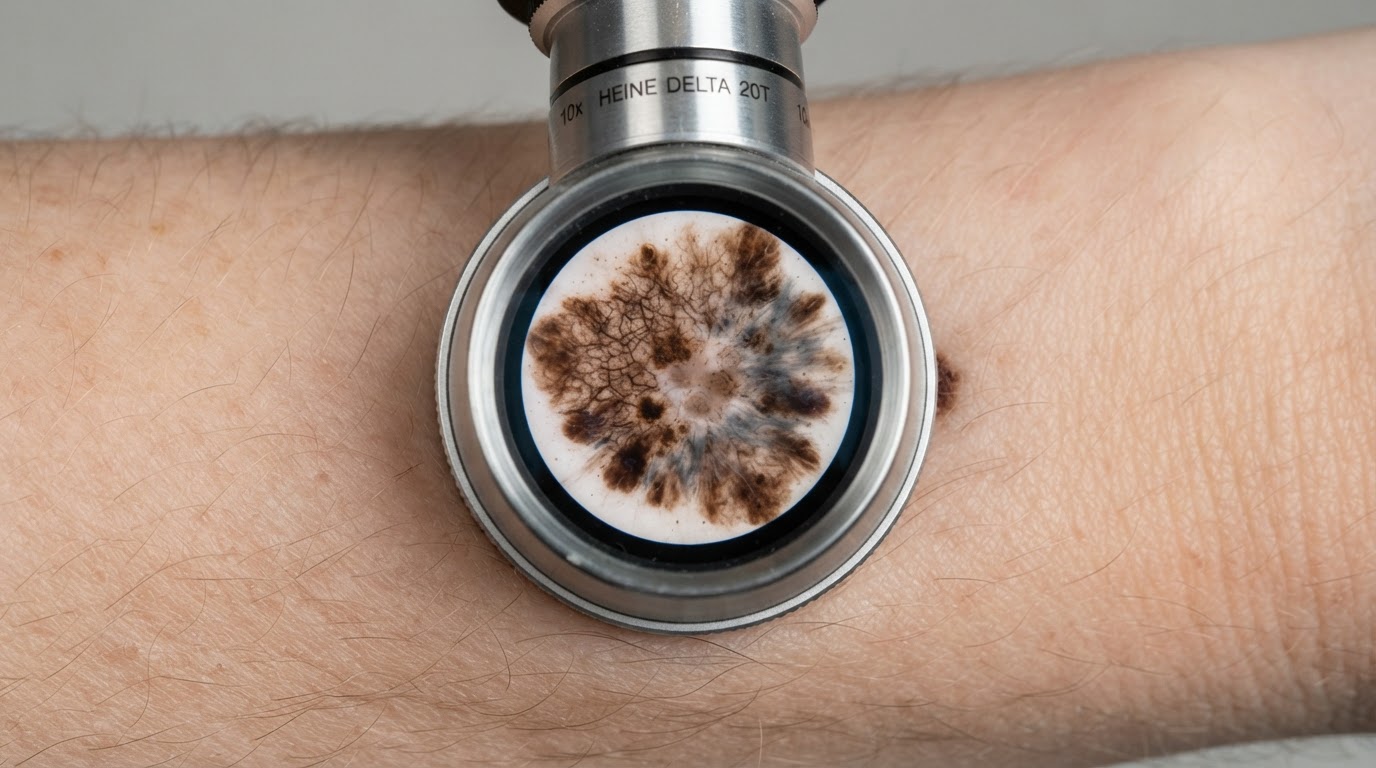
A skin cancer specialist is a dermatologist whose practice emphasizes the diagnosis and treatment of malignant and precancerous skin conditions rather than primarily cosmetic procedures. While any board-certified dermatologist has training in skin cancer, a true specialist dedicates a meaningful portion of their practice to cutaneous oncology, performs skin biopsies regularly, and is comfortable managing basal cell carcinoma, squamous cell carcinoma, and melanoma. Some specialists have completed additional fellowship training in Mohs micrographic surgery or cutaneous oncology, which deepens their expertise in precise tumor removal and reconstruction.
Evaluating Training and Credentials
Begin by confirming board certification through the American Board of Dermatology or the equivalent Canadian authority. Then look for evidence of focused skin cancer experience: membership in the American College of Mohs Surgery, the American Society for Dermatologic Surgery, or a cutaneous oncology program at an academic medical center. Fellowship training is especially relevant if you have a confirmed diagnosis that may require Mohs surgery, sentinel lymph node biopsy coordination, or multidisciplinary management of advanced melanoma. Do not hesitate to ask a practice directly about the specialist's annual volume of skin cancer cases.
Scope of Practice and On-Site Services
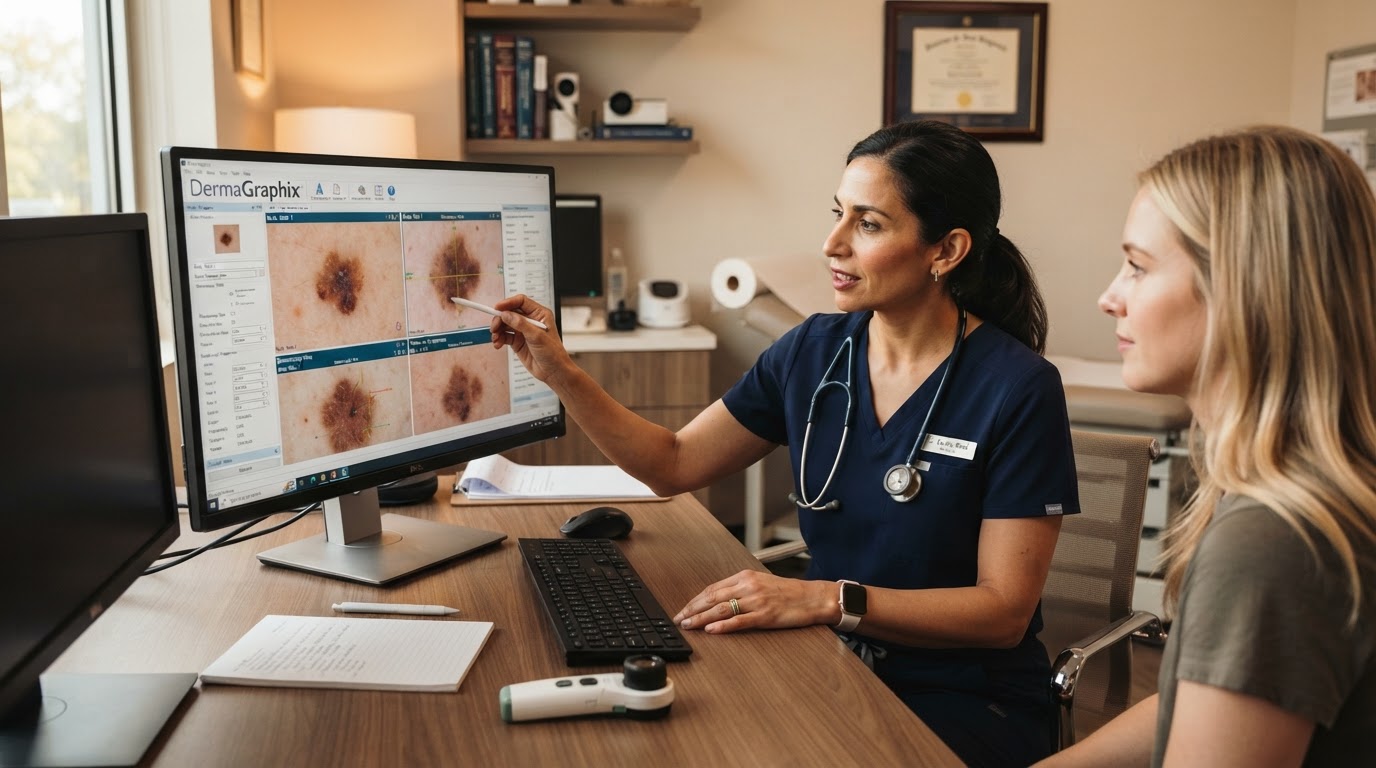
A skin cancer specialist who performs biopsies, pathology review, and surgical excision in the same office streamlines your care and reduces delays. Ask whether the practice has on-site dermatopathology, which can speed up biopsy results, and whether Mohs surgery is available without a referral to another facility. If you have a complex lesion on the face, hands, or genitals, a specialist with reconstructive experience is preferable to one who only performs simple excisions. Understanding the full scope of services before you commit prevents fragmented care later.
Coordination with Other Specialists
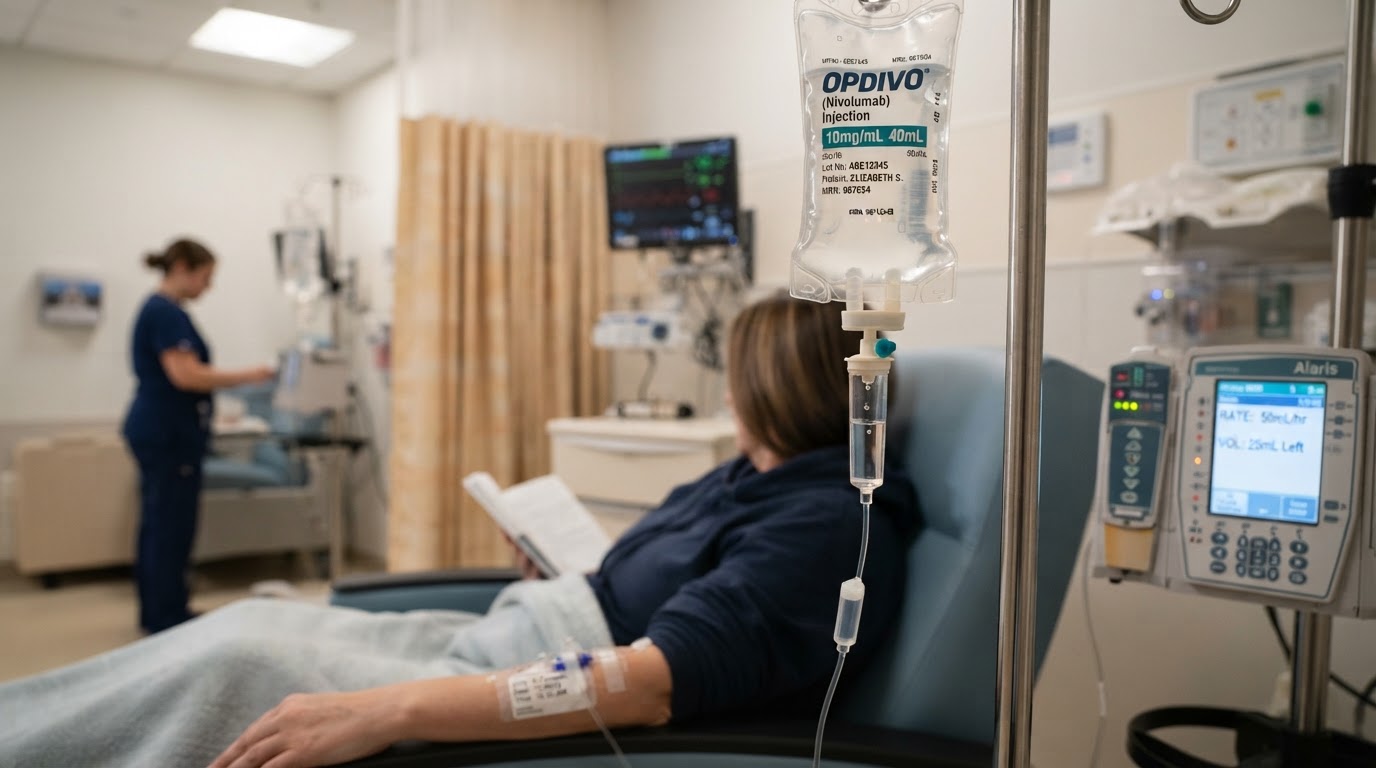
Advanced skin cancer sometimes requires collaboration with medical oncologists, radiation oncologists, plastic surgeons, and otolaryngologists. A well-connected skin cancer specialist will have established referral pathways and will coordinate your imaging, sentinel lymph node biopsy, and systemic therapy as needed. Ask how the practice communicates with other members of your care team and whether they share records through a patient portal. Smooth coordination is especially important for melanoma of greater than a certain depth and for immunosuppressed patients who need heightened surveillance.
Making Your Decision with Confidence
Choosing a skin cancer specialist is a decision that combines credentials, convenience, and communication. Verify training, confirm the scope of on-site services, and gauge how the practice responds to your questions during scheduling. A specialist who explains your options clearly, welcomes a second opinion, and follows up promptly on biopsy results is one who will support you well throughout treatment and surveillance. Taking the time to choose carefully up front pays dividends in both outcomes and peace of mind.
Preparing for Your First Specialist Visit
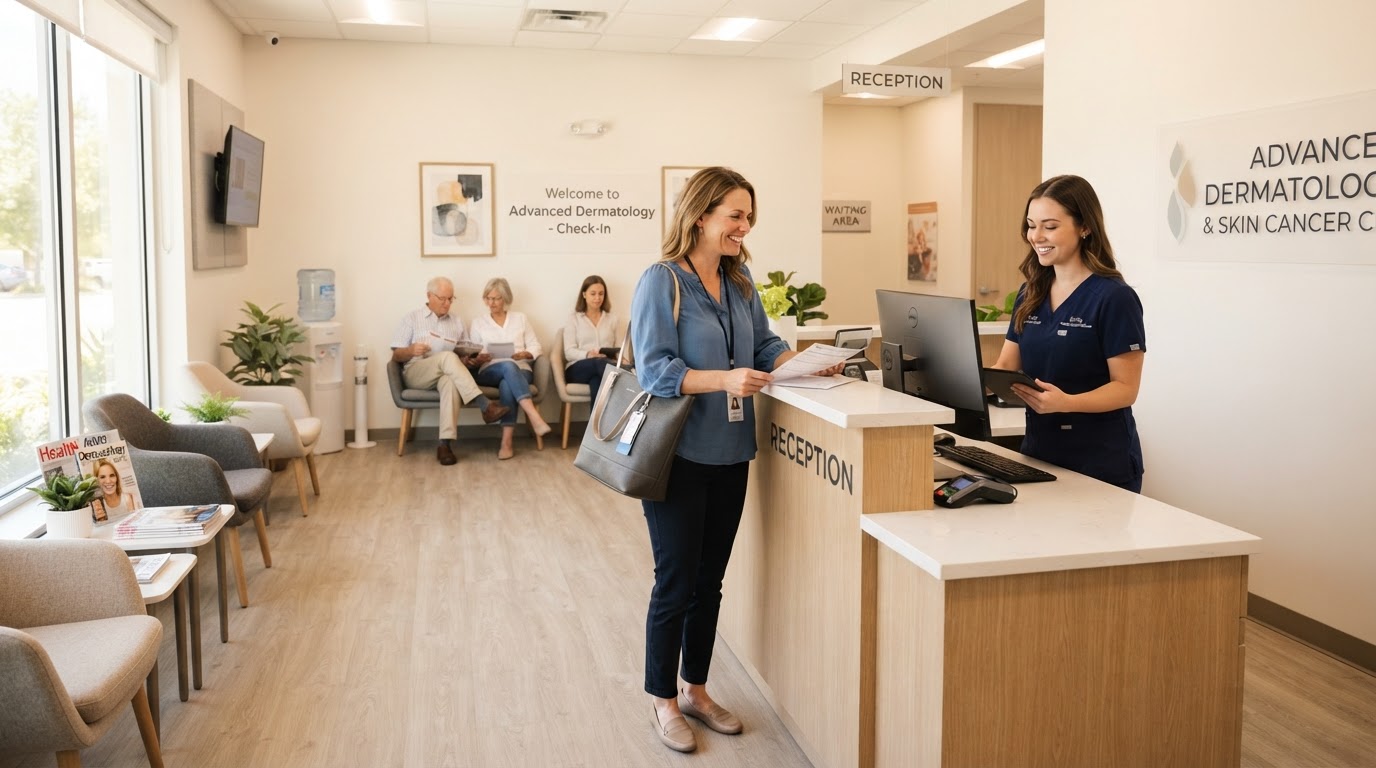
Once you have chosen a specialist, a little preparation makes the first visit far more productive. Gather any records related to your skin concern, including prior biopsy reports, pathology slides, photographs of changing lesions, and a list of medications that affect your immune system. Write down a timeline of when you first noticed the lesion, how it has changed, and any symptoms such as itching, bleeding, or pain. If you have many moles, mark the ones that concern you with a small adhesive dot before the appointment so the doctor can find them quickly during the examination. Bring a list of questions so you do not forget to ask about treatment options, expected recovery, and the surveillance plan that will follow. If you are seeking a second opinion, let the specialist know up front, as this helps them focus their review on the points where another physician's assessment may differ. Arriving organized allows the specialist to spend your appointment time on evaluation and discussion rather than gathering background information, and it sets the tone for a collaborative relationship throughout your care.
This article is educational and is not a substitute for professional medical advice, diagnosis, or treatment. Always seek the guidance of a qualified dermatologist or other licensed health provider with questions about a medical condition.
Looking for a specialist in this area? Browse Melanoma Diagnosis & Staging