
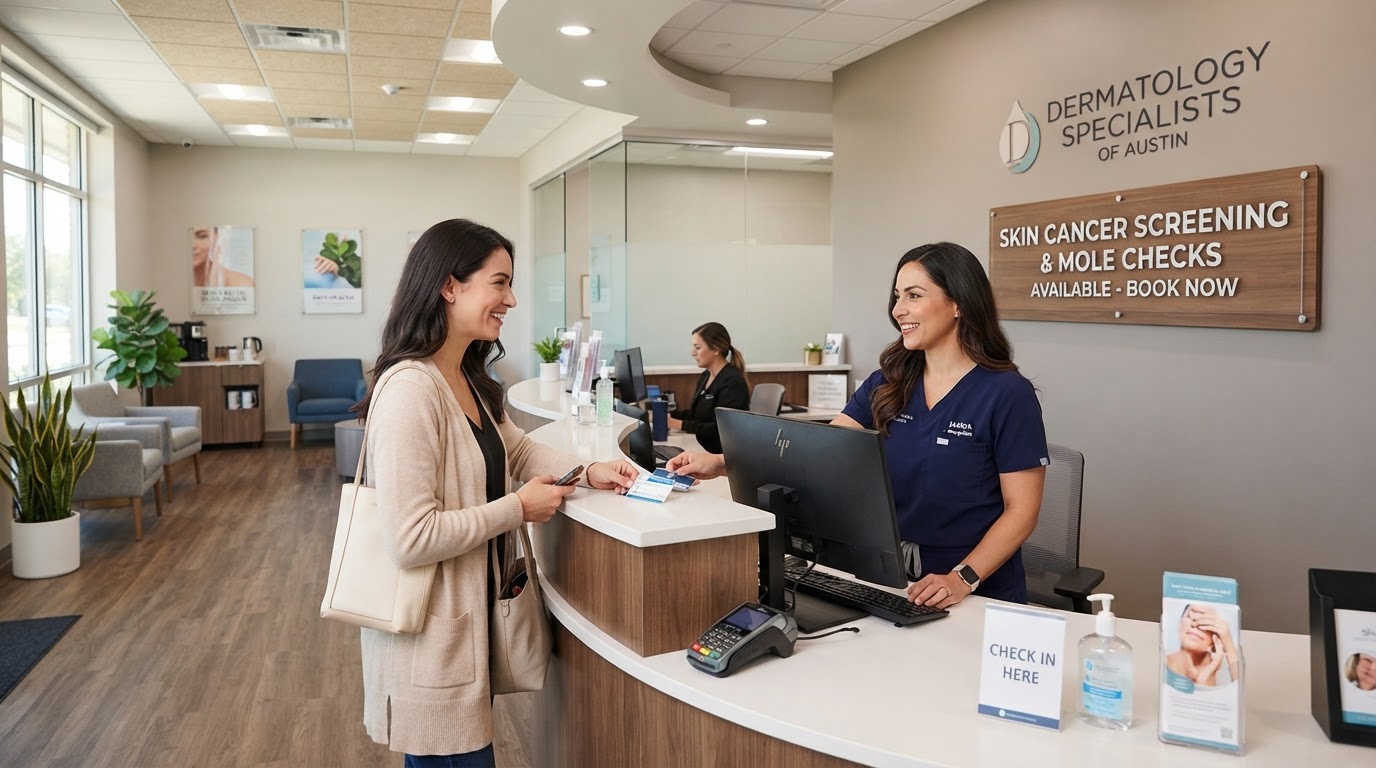
How to Find a Skin Cancer Clinic Near You
What distinguishes a dedicated skin cancer clinic and how to locate one that offers screening, biopsy, and treatment under one roof.
What Defines a Skin Cancer Clinic
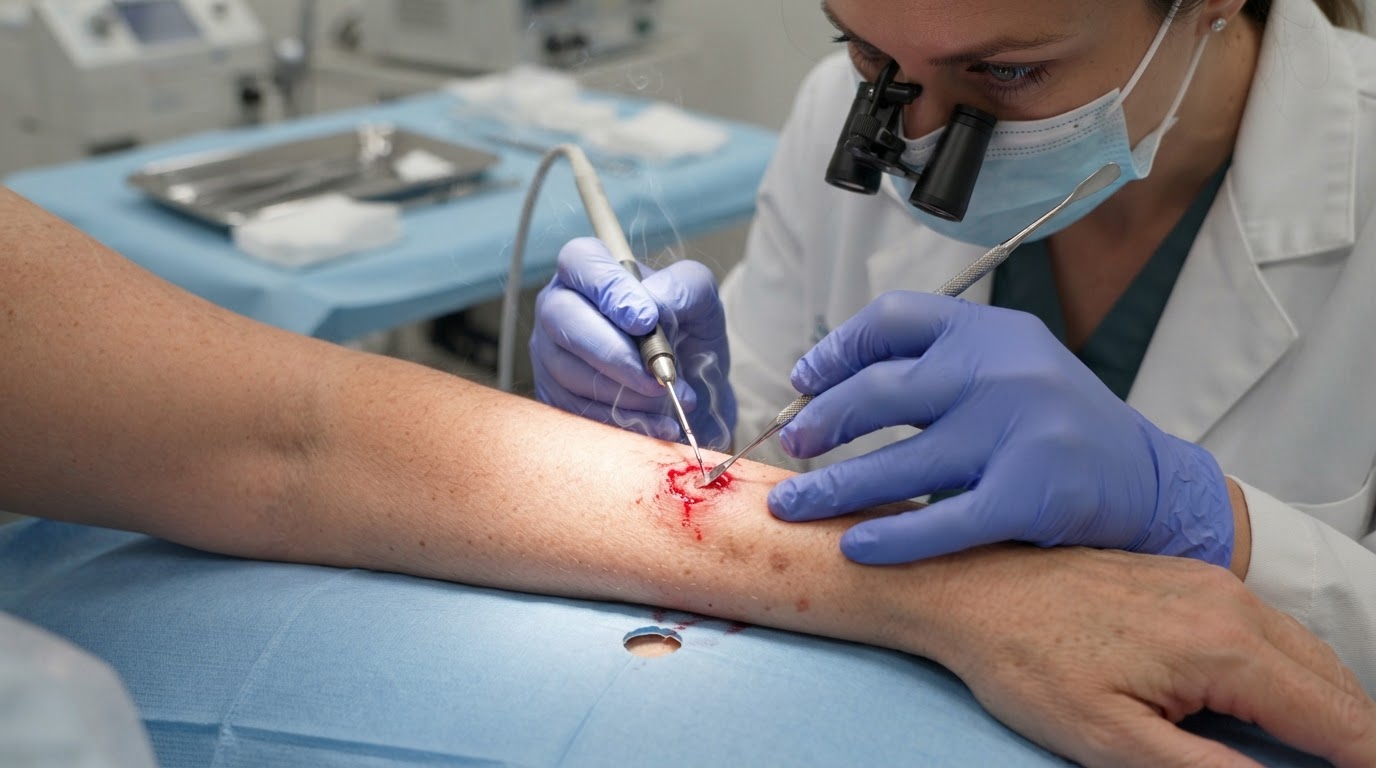
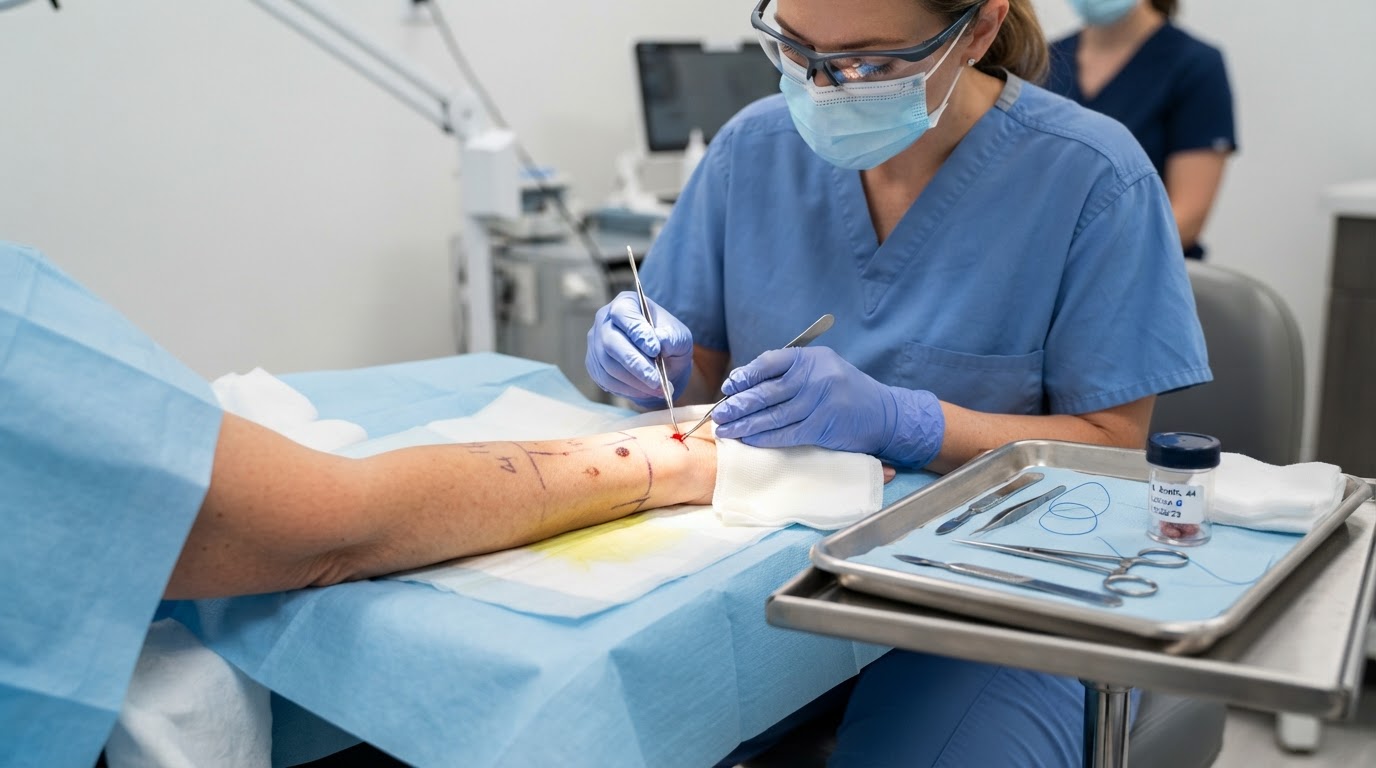
A skin cancer clinic is a dermatology practice that focuses its services on the prevention, detection, and treatment of skin cancer rather than primarily cosmetic procedures. These clinics typically offer full-body skin examinations, dermoscopy, skin biopsies, surgical excision, and often Mohs micrographic surgery under one roof. Some also provide on-site dermatopathology, which speeds up biopsy results, and total body photography for long-term mole surveillance. Choosing a clinic that concentrates on skin cancer means your screening, diagnosis, and treatment can happen in a coordinated setting rather than being split across multiple providers.
Services to Confirm Before You Book
When evaluating a skin cancer clinic, confirm that the physicians are board-certified dermatologists and ask whether they personally perform biopsies and excisions rather than delegating to non-dermatology staff. Ask whether Mohs surgery is available on-site, since this is the gold standard for facial skin cancers and avoids a referral to another facility. Confirm that the clinic accepts your insurance and ask about the typical timeline for biopsy results, which should be within a few days. A clinic that can answer these questions confidently is likely well organized for skin cancer care.
Using This Directory to Search Locally
This directory lists dermatology practices and skin cancer clinics by city and region across the United States and Canada. Use the location pages to find clinics near you, compare their listed services, and reach out directly through the contact information provided. Listings that explicitly mention skin cancer screening, Mohs surgery, or cutaneous oncology are more likely to fit your needs than general dermatology practices that emphasize cosmetic services. Starting your search here saves time compared with combing through unrelated search results.
Considering Travel for Specialized Care
For straightforward basal or squamous cell carcinoma, a nearby clinic is usually sufficient. For melanoma of significant depth, recurrent tumors, or lesions in cosmetically or functionally sensitive areas such as the eyelids, nose, or ears, it may be worth traveling to a clinic at an academic medical center or one staffed by fellowship-trained Mohs surgeons. A second opinion is reasonable for any complex diagnosis, and a reputable clinic will welcome rather than resist it. Balance the convenience of a local clinic against the complexity of your case to make the right choice.
Building a Long-Term Relationship
Skin cancer care is rarely a single visit. After treatment, you will need ongoing surveillance to detect any recurrence or new primaries, often for several years. Choosing a clinic that you can return to consistently, with physicians who know your history and a system that tracks your moles over time, improves the quality of that surveillance. A nearby, well-organized skin cancer clinic becomes a partner in your long-term skin health, making follow-through on every recommendation far more manageable.
Questions to Ask When You Call
A short phone call before you book can reveal a great deal about how a skin cancer clinic operates. Ask whether the physicians are board-certified dermatologists and whether they personally perform biopsies and excisions rather than delegating to non-dermatology staff. Confirm whether Mohs micrographic surgery is available on-site, since this is the gold standard for facial skin cancers and avoids a referral to another facility. Ask about the typical timeline for biopsy results, which should be available within a few days, and how the clinic communicates those results, whether by phone, patient portal, or secure message. Inquire about office hours, including whether evening or Saturday appointments are available, since flexible scheduling can make the difference between keeping and postponing surveillance visits. If you have insurance, confirm that the clinic is in-network and ask whether a referral from your primary care provider is required. Finally, ask how soon a new-patient appointment is available and whether urgent or changing lesions are prioritized for earlier scheduling. A clinic that answers these questions clearly and patiently is likely to be well organized and patient-centered, which makes a meaningful difference over the months and years of skin cancer care that may follow your first visit.
This article is educational and is not a substitute for professional medical advice, diagnosis, or treatment. Always seek the guidance of a qualified dermatologist or other licensed health provider with questions about a medical condition.
Looking for a specialist in this area? Browse Basal & Squamous Cell Carcinoma Care