
Where to Get a Skin Cancer Screening Near Me
Practical options for scheduling a skin cancer screening locally, from dermatology offices to community screening events and telehealth.
Why Proximity Encourages Prevention
One of the most common reasons people delay a skin cancer screening is the perceived hassle of finding a convenient appointment. When the question becomes where to get a skin cancer screening near me, the answer should be straightforward. This directory is built to surface qualified dermatology practices in your city so you can compare locations, services, and contact details in one place. Choosing a screening location close to home or work removes a major barrier to preventive care and makes it far more likely that you will follow through on the appointment.
Dermatology Offices Are the Gold Standard
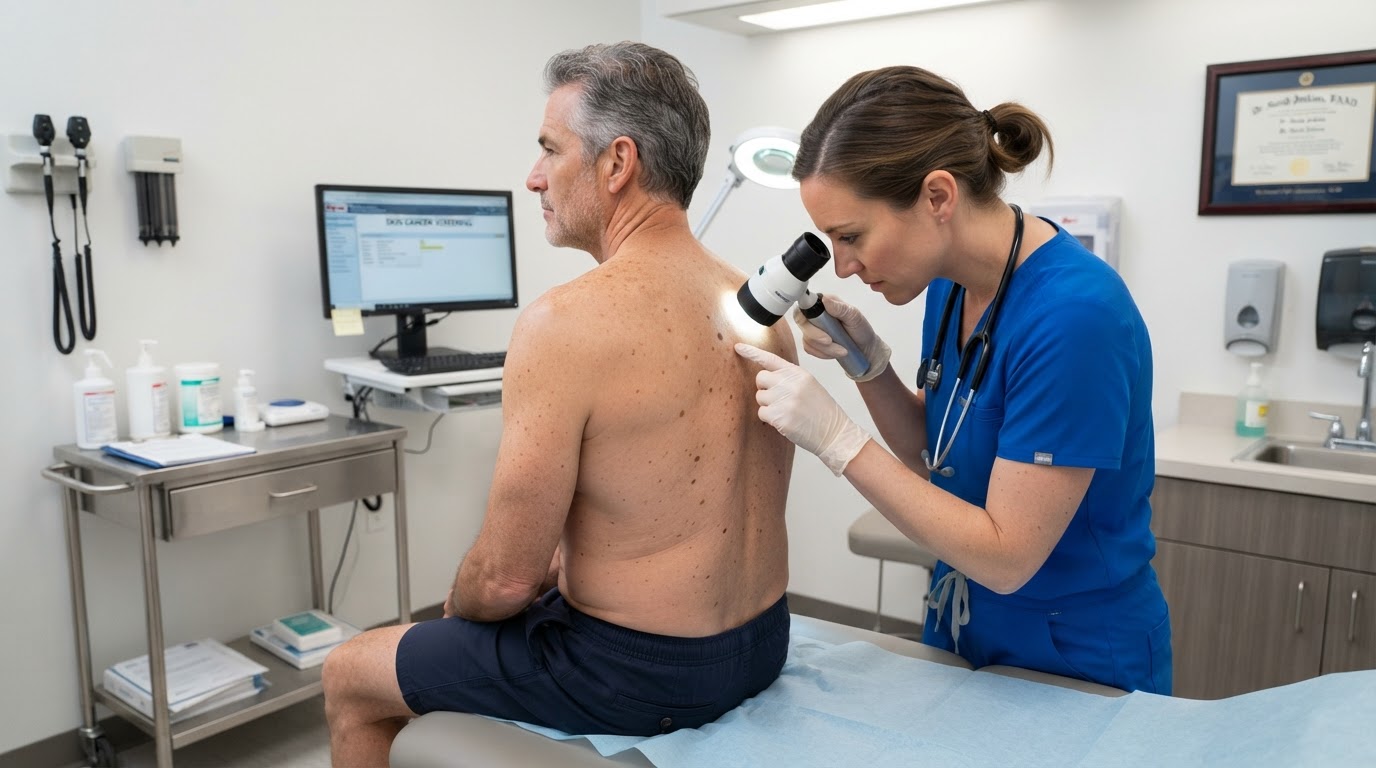
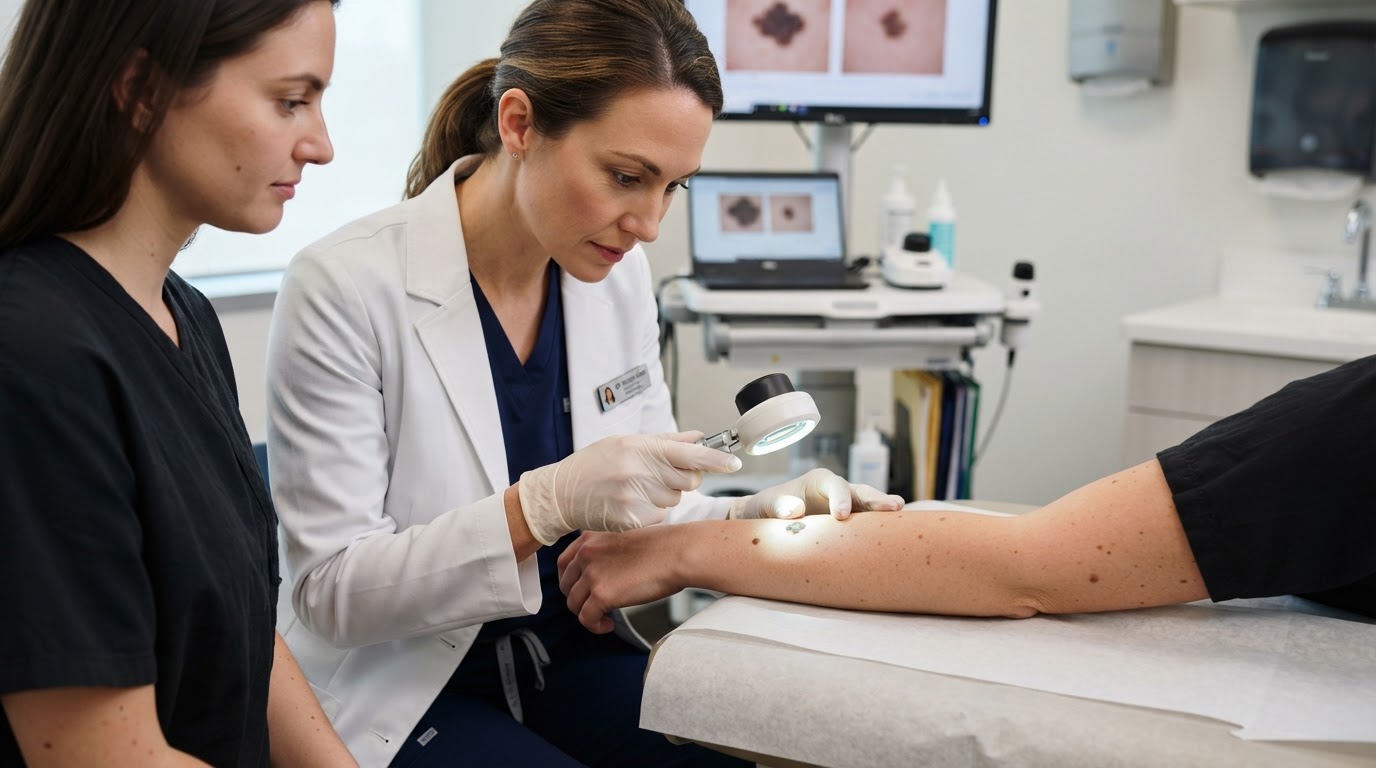
A dermatology office staffed by board-certified dermatologists is the most reliable setting for a comprehensive skin cancer screening. These practices have the lighting, dermoscopy equipment, and on-site biopsy capability needed to evaluate a suspicious lesion fully in a single visit. Use the listings on this site to identify practices that explicitly offer full-body skin examinations and skin cancer screening. Call ahead to confirm that the physician performing the exam is a dermatologist rather than a different specialist, since the quality of a screening depends on the examiner's training.
Community Screening Events
Many dermatology departments and professional organizations sponsor free or low-cost skin cancer screening events, particularly during May, which is Skin Cancer Awareness Month. These events are often held at hospitals, community centers, or mobile clinics and provide a basic visual screening at no charge. While they are not a substitute for a full dermatology appointment if a lesion is found, they are an excellent way to get a quick professional opinion on a concerning spot. Check with your local hospital or health department for upcoming events in your area.
Primary Care and Walk-In Clinics
If a dermatology appointment is not available quickly and you have a spot that is changing rapidly, your primary care provider or an urgent care clinic can perform a preliminary evaluation. While these clinicians are not dermatology specialists, they can assess whether a lesion warrants urgent referral and may be able to perform a biopsy if they are trained to do so. Ask for a written referral to a dermatologist at the same visit so you do not lose time once a specialist appointment becomes available.
Teledermatology for Initial Triage
For patients in areas with few dermatologists, teledermatology offers a practical first step. You submit photographs of a concerning lesion through a secure platform, and a dermatologist reviews them and advises whether an in-person visit is needed. Teledermatology cannot replace a hands-on full-body exam, but it can shorten the wait for professional guidance and help you decide how urgently to pursue an in-person screening. Combining a nearby in-person option with telehealth triage gives you the most flexible path to staying current on skin cancer prevention.
Making Screening a Routine Commitment
The most effective skin cancer prevention strategy is consistency. Once you have identified a convenient local dermatologist, schedule your screening at the same time each year so it becomes a predictable part of your calendar rather than an afterthought. Adults with average risk often do well with an annual exam, while those with a personal history of skin cancer, numerous moles, fair skin, or a family history of melanoma may need more frequent visits. Between appointments, perform a monthly self-examination in a well-lit room, paying close attention to areas that are hard to see such as the scalp, the back, and the backs of the legs. Photograph any spot that concerns you and note the date, so you can show your dermatologist exactly how it has changed. Keeping a simple record of your moles over time turns a vague sense of worry into actionable information that helps your dermatologist make confident decisions. A nearby screening location combined with this kind of consistent follow-through is the foundation of effective, low-stress skin cancer prevention.
This article is educational and is not a substitute for professional medical advice, diagnosis, or treatment. Always seek the guidance of a qualified dermatologist or other licensed health provider with questions about a medical condition.
Looking for a specialist in this area? Browse Full-Body Skin Examinations & Screening