
What to Expect From a Dermatologist Skin Check
A clear explanation of a dermatologist skin check, including preparation, the exam itself, dermoscopy, and follow-up planning.
The Value of a Dermatologist Skin Check
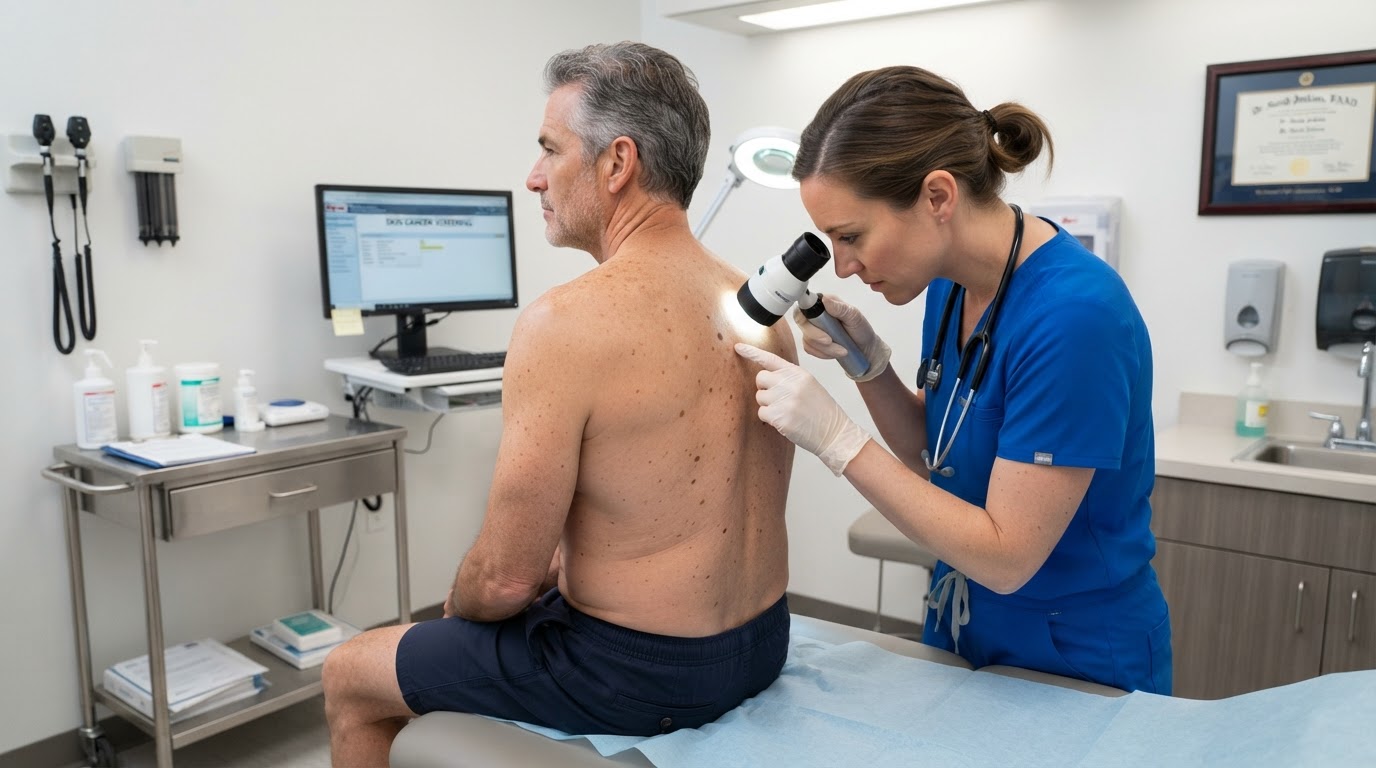
A dermatologist skin check, formally called a total body skin examination, is the most reliable way to detect skin cancer at its earliest and most treatable stage. Performed by a board-certified dermatologist, the check covers every region of the skin, including areas that are difficult to examine yourself. Regular skin checks are especially important for adults with fair skin, a history of frequent sunburns, numerous moles, or a family history of melanoma. Even if you have none of these risk factors, a baseline skin check in adulthood establishes a reference point that makes future changes easier to identify.
How to Prepare for Your Appointment
Preparation improves the quality of the examination. Remove nail polish from fingers and toes so the nail beds are visible, and avoid wearing makeup on any facial lesions you want examined. Wear loose clothing that is easy to remove and put back on, and plan to change into a medical gown for the exam itself. Bring a list of any spots that have changed recently, along with dates if possible, and note any spots that bleed, itch, or have not healed. Also bring a list of your medications, particularly immunosuppressants, which can increase skin cancer risk.
The Examination Step by Step
The dermatologist will inspect your skin systematically from the scalp down to the soles of your feet. They will part your hair to examine the scalp, look behind the ears, check the eyelids and lips, and inspect between the toes and the buttocks, areas that are easy to miss in self-exams. The doctor is looking for the ABCDE signs of melanoma, pearly or translucent bumps that may indicate basal cell carcinoma, and scaly or crusted patches that can signal squamous cell carcinoma or actinic keratosis. The exam itself is quick and painless, usually lasting only a few minutes for a patient without many moles.
Dermoscopy and Biopsy Decisions
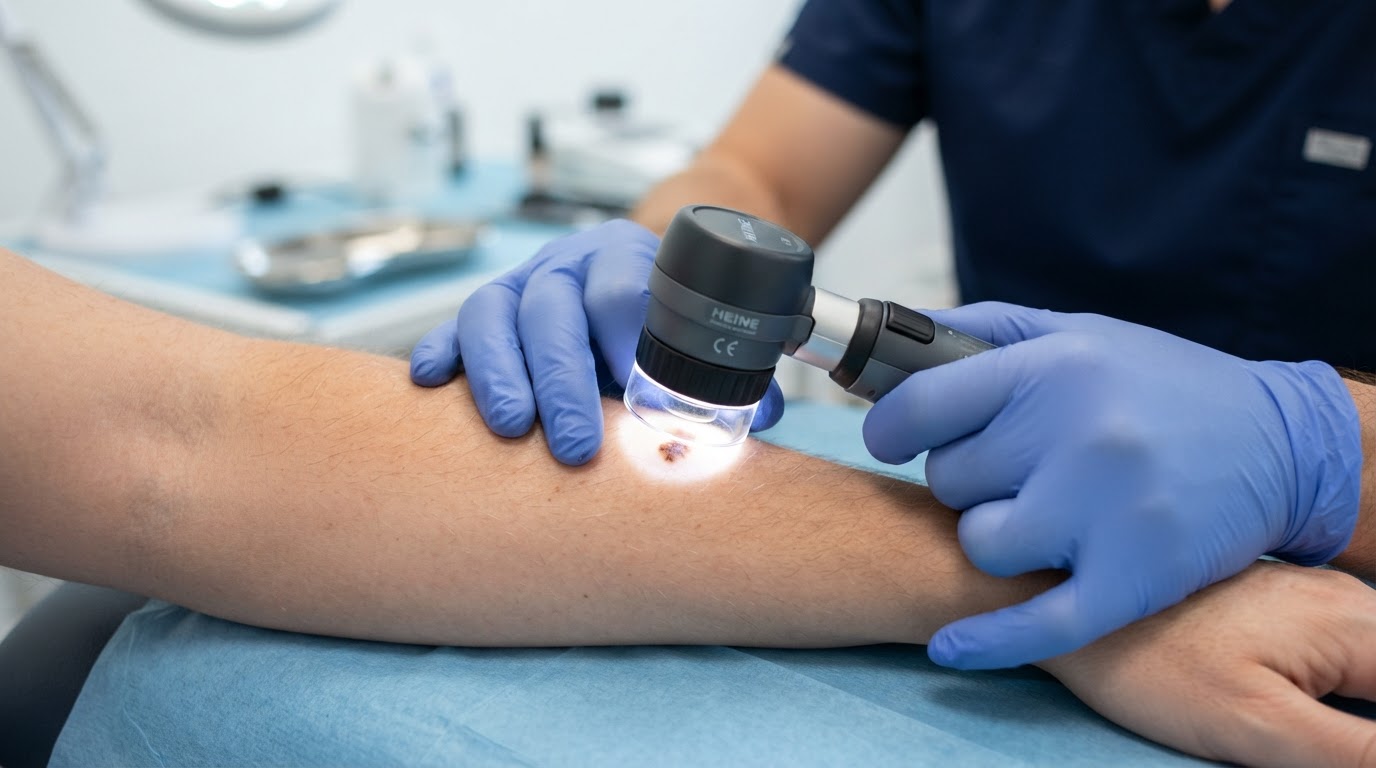
If the dermatologist identifies a spot that looks unusual, they will use a dermatoscope to examine it under polarized magnification. Dermoscopy reveals pigment patterns and blood vessel structures that help the doctor distinguish a benign mole from a potentially malignant one. In many cases, dermoscopy reassures both you and the doctor that a lesion is harmless and no biopsy is needed. If a lesion still looks suspicious after dermoscopy, the dermatologist may recommend a shave, punch, or excisional biopsy, often performed the same day with a local anesthetic.
After the Check: Follow-Up and Self-Care
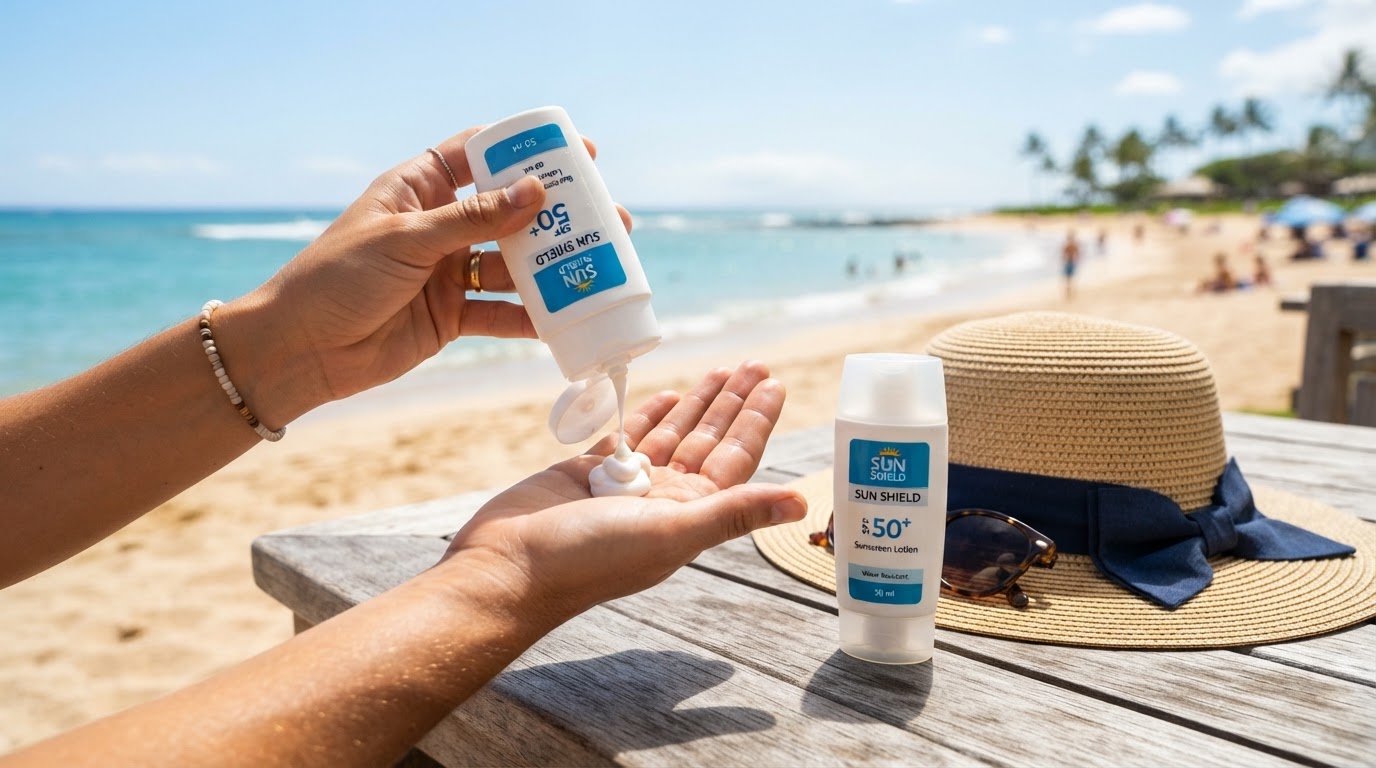
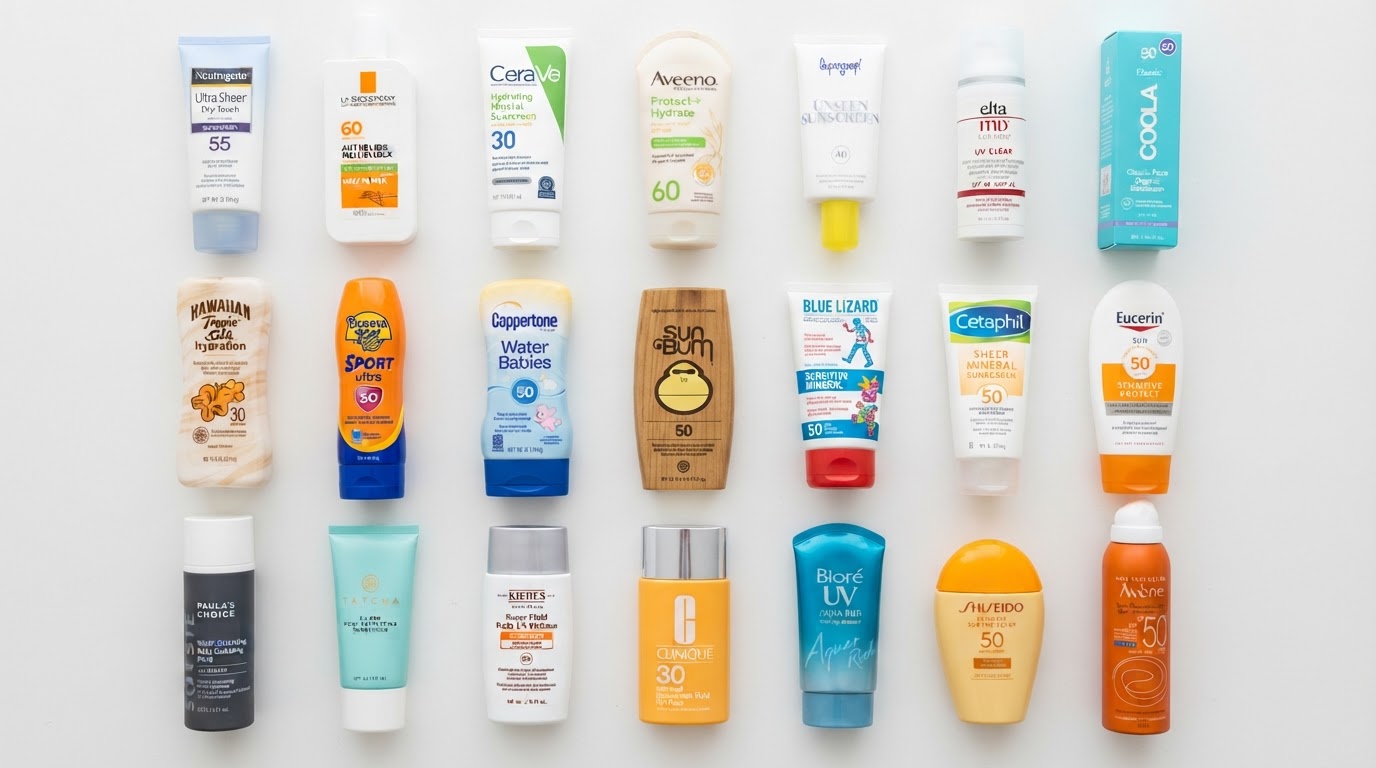
At the end of the visit, the dermatologist will summarize their findings and recommend a follow-up interval based on your risk profile. If a biopsy was performed, you will receive pathology results within a few days, along with a plan for any additional treatment. You will also receive guidance on sun protection, including sunscreen selection and the value of UPF-rated clothing, and on how to perform a monthly self-exam between professional checks. Understanding the full process in advance helps you arrive prepared and leave with a clear plan for protecting your skin.
This article is educational and is not a substitute for professional medical advice, diagnosis, or treatment. Always seek the guidance of a qualified dermatologist or other licensed health provider with questions about a medical condition.
Looking for a specialist in this area? Browse Full-Body Skin Examinations & Screening