
How to Find a Qualified Skin Cancer Dermatologist
A practical guide to identifying, vetting, and choosing a board-certified dermatologist experienced in skin cancer detection and treatment.
Why the Right Dermatologist Matters
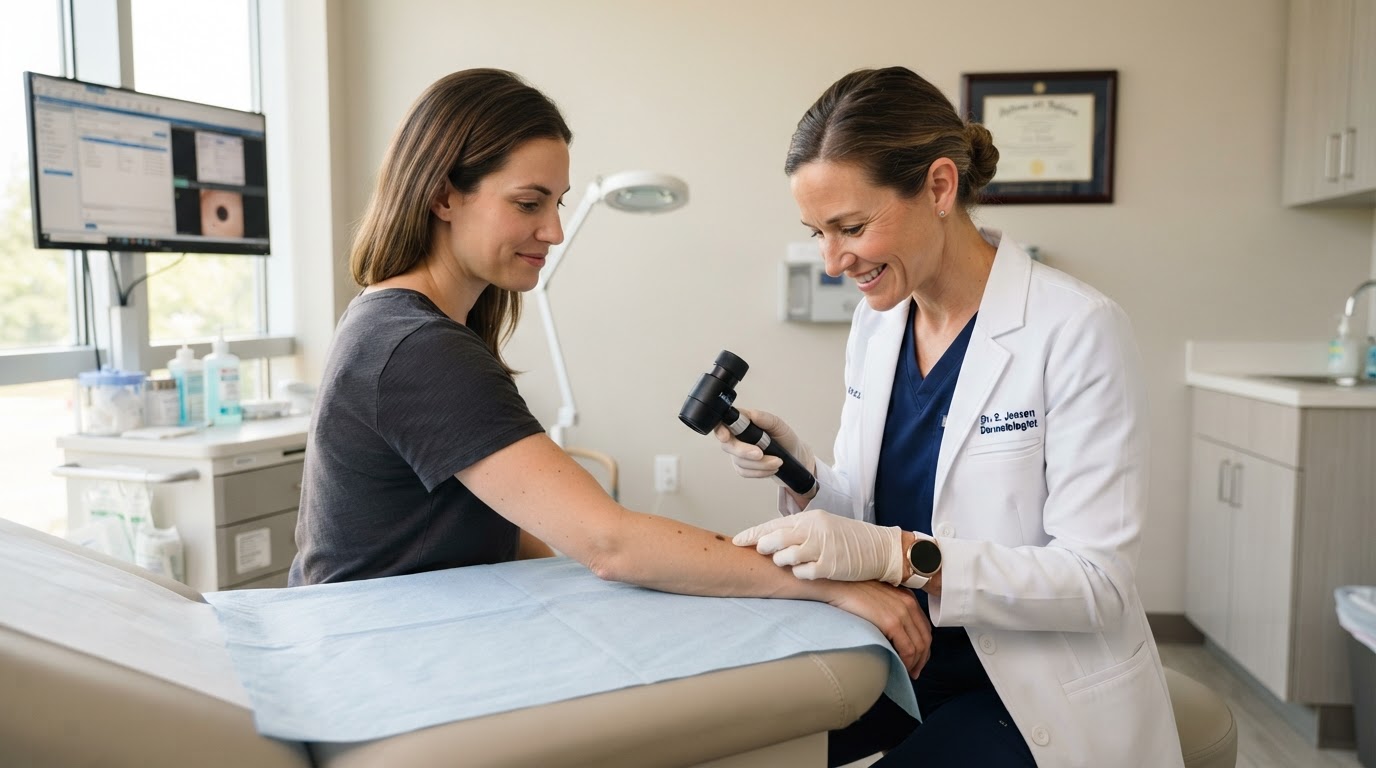
Skin cancer is the most commonly diagnosed malignancy in the United States, and early detection depends heavily on the expertise of the physician examining you. A skin cancer dermatologist is a board-certified specialist who has completed a residency in dermatology and focused training in identifying, diagnosing, and treating malignant and precancerous lesions of the skin. Choosing the right physician can mean the difference between catching a melanoma at a curable stage and discovering it after it has spread. Because dermatology is a broad field that also covers cosmetic concerns, it is important to confirm that the doctor you select has genuine experience with skin oncology rather than primarily aesthetic procedures.
What Credentials to Look For
Start by verifying board certification through the American Board of Dermatology in the United States or the Royal College of Physicians and Surgeons in Canada. Board certification confirms that the physician has passed rigorous written and oral examinations covering medical, surgical, and cosmetic dermatology. You should also look for membership in specialty organizations such as the American Academy of Dermatology, the American College of Mohs Surgery, or the American Society for Dermatologic Surgery, each of which signals a commitment to skin cancer care. Fellowship training in Mohs micrographic surgery, cutaneous oncology, or procedural dermatology is an additional credential worth seeking, particularly if you have a confirmed diagnosis that may require precise surgical removal.
Questions to Ask Before You Book
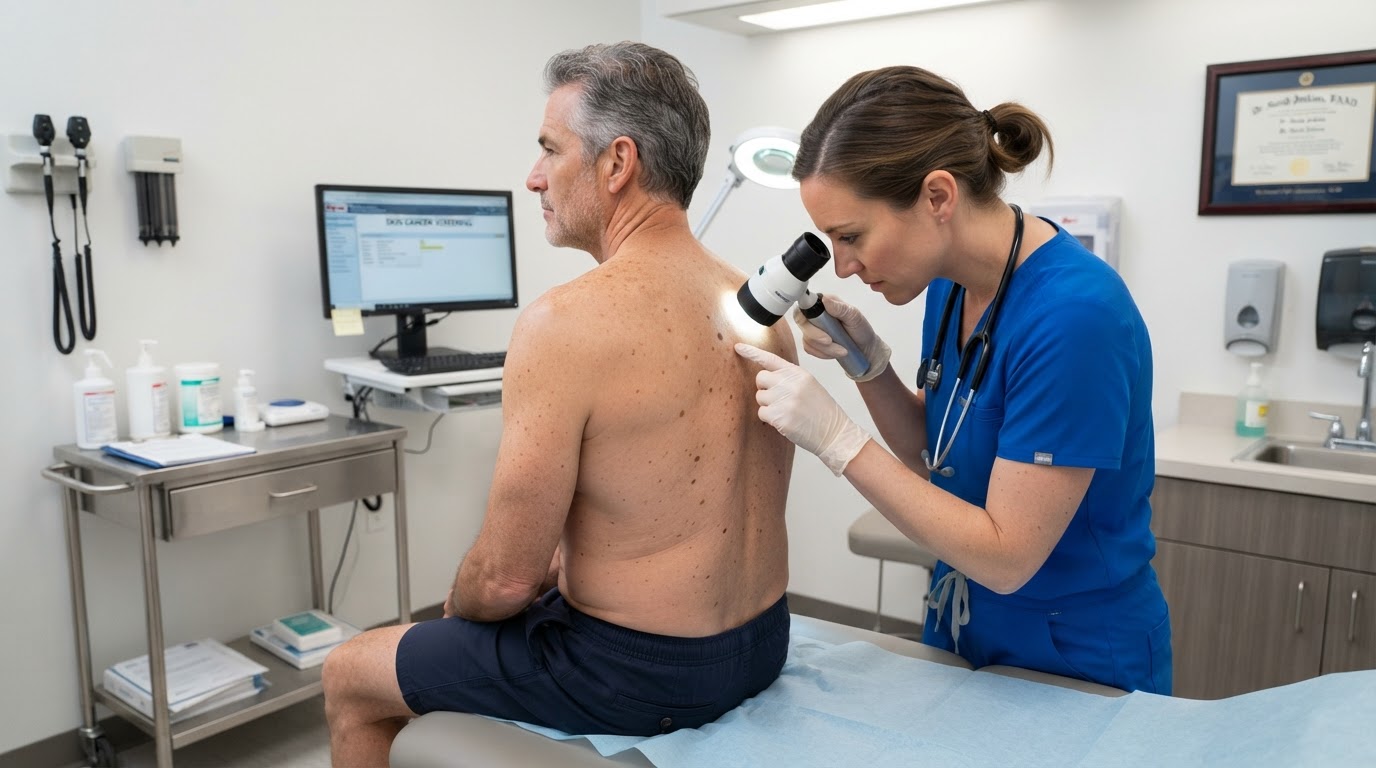
When you call a practice, ask whether the dermatologist performs full-body skin examinations as a routine part of care. Some practices focus narrowly on cosmetic treatments and may not offer comprehensive skin cancer screening. Ask how often the doctor diagnoses and treats melanoma, basal cell carcinoma, and squamous cell carcinoma, and whether on-site pathology or Mohs surgery is available. You should also confirm that the practice accepts your insurance, what the out-of-pocket cost of a screening visit will be, and how quickly an appointment can be scheduled. A practice that cannot answer these questions confidently may not be the best fit for skin cancer surveillance.
Red Flags to Avoid
Be cautious of clinics that promise guaranteed cures, pressure you into same-day cosmetic procedures during a screening visit, or cannot clearly explain their biopsy process. A reputable dermatologist will welcome your questions, explain the reasoning behind any recommendation, and provide a clear written plan for follow-up. Avoid providers who cannot show evidence of board certification or who advertise skin cancer removal at prices that seem dramatically lower than the regional average, as this can signal shortcuts in pathology review or surgical technique.
Making Your First Appointment Count
Before your visit, make a list of any moles that have changed in size, shape, color, or sensation. Note any spots that bleed, itch, or fail to heal. Remove nail polish and avoid makeup on the areas you want examined so the doctor can see the skin clearly. Arrive with your medical history, including any prior skin biopsies, family history of melanoma, and medications that affect your immune system. A thorough first appointment establishes a baseline that makes future changes easier to detect, so prioritize completeness over speed. With the right preparation and a qualified dermatologist, you give yourself the strongest possible protection against skin cancer.
This article is educational and is not a substitute for professional medical advice, diagnosis, or treatment. Always seek the guidance of a qualified dermatologist or other licensed health provider with questions about a medical condition.
Looking for a specialist in this area? Browse Full-Body Skin Examinations & Screening