

Finding a Skin Cancer Dermatologist Near You: A Location Guide
How to locate convenient, qualified skin cancer dermatologists in your area, including telehealth options and what to expect from a local search.
Starting Your Local Search
When you notice a changing spot or simply want to stay current on preventive care, finding a skin cancer dermatologist near you becomes an urgent priority. Proximity matters because skin cancer screening is most effective when performed regularly, and a convenient location makes it far more likely that you will keep your appointments year after year. Begin your search with the directory on this site, which lists qualified dermatology practices by city and region across the United States and Canada. Each listing includes the practice name, service categories, and contact information so you can compare options without jumping between unrelated websites.
What to Look for in a Nearby Practice
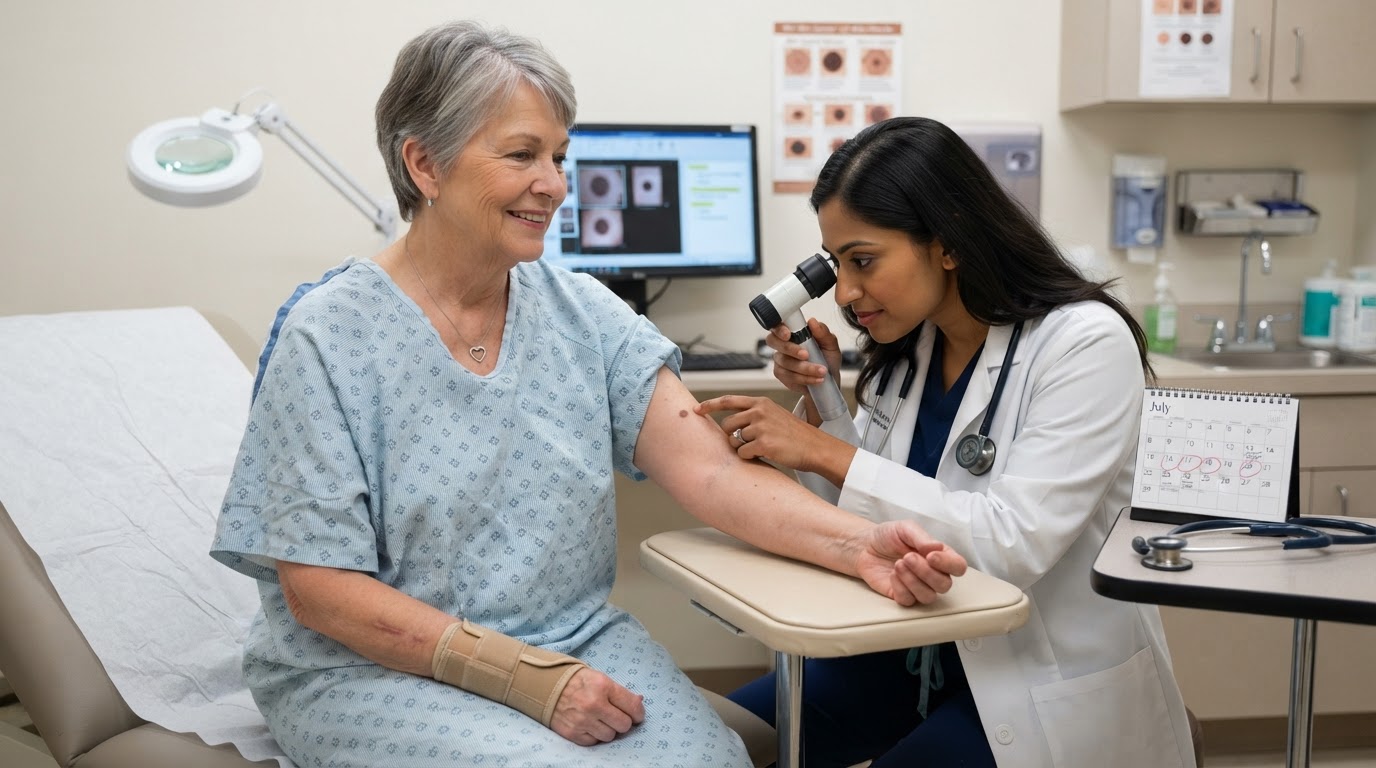
A nearby dermatologist is only helpful if they actually perform skin cancer screening and treatment. Look for practices that explicitly list full-body skin examinations, dermoscopy, skin biopsies, or Mohs surgery among their services. Confirm that the physician is board-certified in dermatology rather than a different specialty that offers cosmetic skin treatments. Pay attention to office hours and whether evening or Saturday appointments are available, since these can make the difference between scheduling a screening and postponing it indefinitely. If you have limited mobility or live in a rural area, ask whether the practice offers teledermatology consultations for initial triage of concerning spots.
Using Insurance and Referrals Wisely
In many health plans, dermatology requires a referral from a primary care provider, particularly if you want the visit covered at the specialist rate. Call the number on the back of your insurance card to confirm whether a referral is needed and whether the dermatologist you have in mind is in-network. If you do not have insurance, ask the practice about self-pay rates for a screening visit, which are often more affordable than expected. Some dermatology practices also offer reduced-fee skin cancer screening days, often scheduled in May during Skin Cancer Awareness Month, which can be a practical option for uninsured patients.
Teledermatology as a First Step
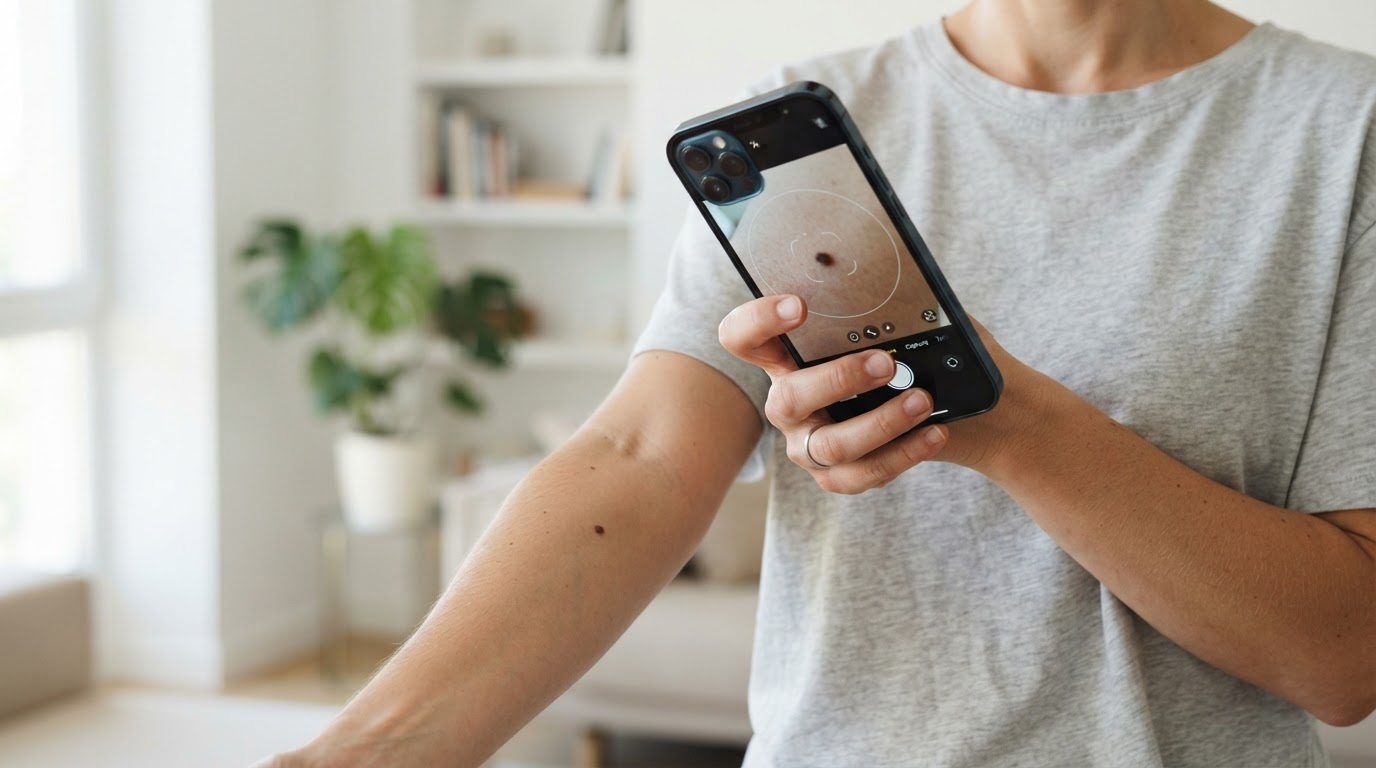
Teledermatology has expanded access to skin cancer evaluation, especially in regions where dermatologists are scarce. A store-and-forward consultation lets you submit photographs of a concerning lesion for review by a dermatologist, who can then advise whether an in-person biopsy is warranted. While teledermatology cannot replace a hands-on full-body examination, it is a useful triage tool that can shorten the time between noticing a change and receiving professional guidance. Confirm that the telehealth provider is licensed in your state or province, since medical licensing is jurisdiction-specific.
Preparing for a Productive Visit
Once you have selected a nearby dermatologist, prepare a short list of the spots you want examined and note when each change first appeared. Bring a list of medications, including any immunosuppressants, since these can influence your skin cancer risk. Arrive early to complete intake forms, and ask whether the practice uses total body photography to track mole changes over time. A nearby, well-chosen dermatologist combined with a little preparation makes skin cancer surveillance a manageable part of your routine health care rather than an intimidating one-time event.
This article is educational and is not a substitute for professional medical advice, diagnosis, or treatment. Always seek the guidance of a qualified dermatologist or other licensed health provider with questions about a medical condition.
Looking for a specialist in this area? Browse Ongoing Skin Surveillance & Teledermatology